Showing posts with label Japanese Fashion. Show all posts

Japanese Street Fashion

Japanese Street FashionLots of people believe how the Japanese street fashion has its personal appeal. Although. The dresses, fabrics and designs are quite various from the western design however it includes a fragrance. The fragrance of its personal location is what makes the Japanese fashion a preferred. Although, lots of people believe how the Korean style has turn out to be much more western nowadays and also the touch of its personal has lost somewhere.

Should you are searching for some most recent trend of Korean or Japanese fashion then you should search on web very first. You'll get to learn lots of new points concerning the Japanese fashion from there. How they put on their kimono or their accessories and styling will also catch your eyes for certain. You'll also be in a position to compare the cost among various businesses. This really is certainly a hugely advantage. You are able to examine various kind of Korean and Japaneses outfits after which choose the a single you wish to purchase.

Whilst regarded by numerous as daring, outlandish and provocative, Japanese fashion has arrive a lengthy way from becoming just about kimonos and school uniforms. Their eye-popping and flamboyant outfits have largely been influenced by Japan's large underground club scene. Tokyo and Osaka is wherever Japaneses Street Style is at its greatest. By adopting a mixture of present and conventional developments together with foreign and nearby labels, Japaneses youth have produced their personal distinctive blend of style.

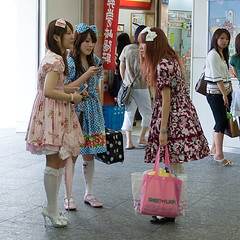
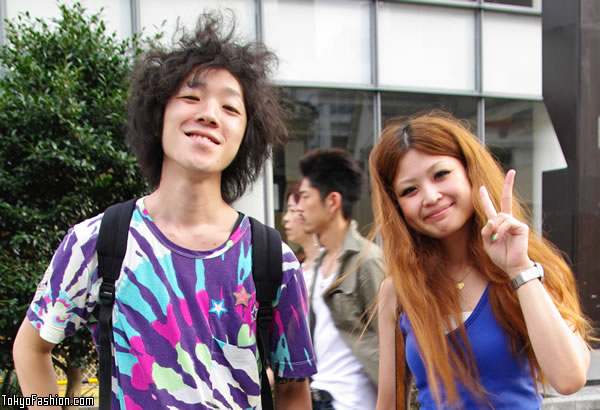
Japaneses street fashion style includes a range of developments and designs. Youth had been much more elaborate in their dressing patterns and make-up. Bright colors, eccentric patterns, hand-made garments, heavy jewelery, mixing and matching jeans and tank tops with conventional put on like kimonos, is their way of creating statements about their cultural influences and way of life. Lolita, Kogal, Cosplay, Ganguro are some with the most sought following designs that Japaneses youth display about the streets.
Japanese Street Fashion

Japanese Fashion Style

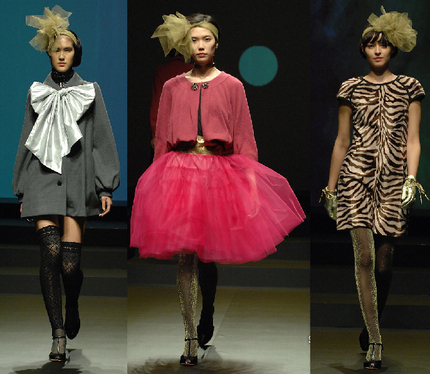
Japanese Fashion StyleRight after the Koreans the Japonese to aren't much at the rear of. They've a host of their individual collections too. Japonese fashion style designers are each incredible and outstanding. Japoneses style displays each lifestyle and soul. Its style displays Japonese tradition and background. Japonese style fashion is really a ideal mixture from the past and also the existing. Beginning from their conventional kimono ton modern western design outfits the Japonese fashion style mindful populace has usually created a mark in style business. Japonese fashion style isn't about flaunting.

They've silently introduced the worldwide marketplace with globe class styles. Japonese are very style mindful individuals simply because they think in out and out enrichment with age, time and design. Nevertheless, they hate unnecessary experimenting with uniqueness simply because they think that what's conventional is usually pure and trusted. Therefore the globe of worldwide style has a great deal to understand from Japonese fashion style mindful individuals.
Japanese Fashion Style

Japanese Fashion Model

Japanese Fashion ModelJapanese Fashion Model. Using the rise in reputation of sushi, so has the parallel reputation from the Japanese fashion model risen. You've reached this website these days simply because you've sought them out about the web. No, don't be embarrassed, for this website was created particularly with you in thoughts. You're definitely not alone inside your admiration of the exotic delicacies.

The nation of Japan is recognized for advertising wholesome lifestyles . They've a diet plan that is made up largely of natural and organic meals. Particularly the Japanese fashion model don't consume points battered and deep fried for each meal as individuals in some nations do. This really is most likely why they've this kind of a good thin physique to place on show for you personally.

You will find so numerous points you can do using the outcomes of the Google research. You can just sit and stare in the numerous web sites. You can investigation the lives and careers of some of those versions. You can consider your image from the design of the selection and use it being a background or display saver in your pc! You can consider a number of various photos plug them right into a photo wise plan and print out your really personal twelve month calendar featuring the beautiful Japanese fashion model of the selection and liking.
Japanese Fashion Model

Finding The Best Japanese Fashion

Japanese FashionThroughout the middle from the nineteenth century, the Japanese started to move away from their traditional clothes, to adopt the western design of dressing. Two centuries later this trend came to be termed as Street Fashion. Essentially this phrase implies the customization of outfits by adopting a mix of current and conventional trends. This kind of garments are generally tailored at house.

Essentially, the road fashion is regarded to be instead trendy amongst fashion gurus of the world. This really is simply because it is an individualistic genre of dressing. And interestingly, across Japan, numerous dressing sub-cultures have mushroomed with their personal unique way of dressing. Some instead simple and young, usually teenage in its way; while you will find the outrageous designs that appear to emulate the punk developments of the eighties.

Whether tourists do shop for that street style clothes or not, going to these shopping destinations are of interest. While nearly every nation has its personal special design of dressing, in Japan 1 would find a totally different street trend prevalent in various areas. There's uniqueness and innovation at nearly each nook and corner, especially amongst the youngsters.

Choosing Japanese Fashion

Japanese FashionDuring the middle of the nineteenth century, the Japanese started to move away from their conventional clothes, to adopt the western design of dressing. Two centuries later this trend came to become termed as Street Fashion. Basically this term implies the customization of outfits by adopting a mix of present and traditional trends. Such clothes are generally tailored at home.

Basically, the street fashion is regarded to become rather trendy among fashion gurus of the globe. This is simply because it's an individualistic genre of dressing. And interestingly, throughout Japan, numerous dressing sub-cultures have mushroomed with their personal special way of dressing. Some instead simple and young, usually teenage in its way; while you will find the outrageous styles that seem to emulate the punk developments of the eighties.

Japanese FashionWhether tourists do store for that street fashion clothing or not, visiting these purchasing destinations are of interest. While almost each nation has its own special style of dressing, in Japan 1 would find a totally various road trend prevalent in various areas. There is uniqueness and innovation at nearly each nook and corner, especially among the youngsters.

Japanese Fashion Trends

Japanese Fashion TrendsThroughout the middle from the nineteenth century, the Japanese began to move away from their traditional clothing, to adopt the western design of dressing. Two centuries later on this trend arrived to be termed as Street Style. Basically this phrase implies the customization of outfits by adopting a mix of current and traditional trends. Such garments are generally tailored at house.

Essentially, the road fashion is regarded to be rather trendy among fashion gurus of the world. This is because it's an individualistic genre of dressing. And interestingly, throughout Japan, numerous dressing sub-cultures have mushroomed with their personal special way of dressing. Some instead easy and youthful, typically teenage in its way; while there are the outrageous styles that seem to emulate the punk developments from the eighties.

Japanese Fashion TrendsWhether tourists do store for that street style clothes or not, visiting these purchasing destinations are of interest. Whilst nearly each nation has its personal special design of dressing, in Japan one would discover a completely various street trend prevalent in various areas. There's uniqueness and innovation at almost every nook and corner, particularly amongst the youngsters.
Japanese Fashion Trends

Harajuku Fashion

Harajuku Fashion Style
By Marsudi Suwarnaadi

Harajuku FashionJapan is not only famous for its automotive and electronic that has already spread all over the world market, but it is also famous for its lifestyle which is extreme and seduce the youngsters' desire. This culture is called Harajuku Fashion.

Harajuku refers to the area in the middle of Tokyo, exactly around Harajuku Station, in Sibuya District, Tokyo. In the beginning of 1990s, it is an important area that connects Tokyo to other surrounding districts. 1n 1906, The station was opened as an expansion of Yamanote railway. Several years later there were various kind of department stores around the place that led to the existence of fashion centers. This area became famous all over Japan after having been broadcast through some fashion magazine like Anan and non-no. That time, some girls groups were recognized wandering around Harajuku area. Their fashion imitated the style of fashion models in the Anan and Non-no magazine. Until now, group of youngsters wearing extreme styles can be seen in this area. Harajuku becomes icon of fashion style rebellion in Japan.

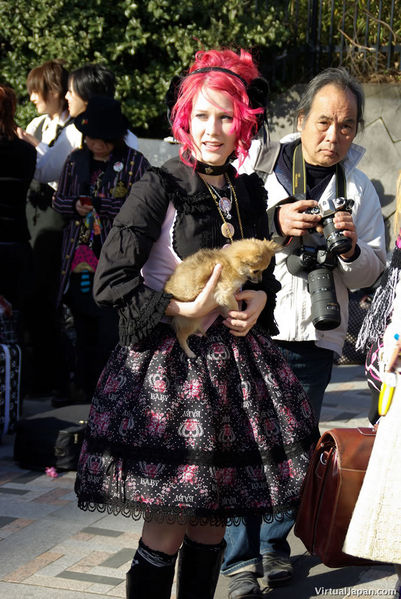
In Tokyo, most officers generally wear dark coats, dark trousers, white shirts, dark ties, dark suitcases, their hair was well combed, and they walk fast because they do not want to waste time. Students wear uniform determined by school authority. But in Harajuku, there is a rebellion of fashion. The youngsters refuse to wear neat and tidy clothes. Their desire to be creative is expressed through extreme, glamorous fashion and hair style. Not only extreme hair style they perform, but also extreme hair color like green, purple, red, blue, golden blond, silver, pink, and ash.

Harajuku Fashion StyleThe contrast performance between color, design, motif, size, and the kind of clothes is the specialty of this fashion style. Harajuku style is divided into several types. Sometimes the style is adapted to the beautiful doll from Japan with white pale skin and nice dressing like the doll displayed in the window. This style is called Lolita. There is also a style called Cosplay (costume play). This style imitates the character of a hero or bandit in Japanese cartoon movies. Those styles are mostly adopted and promoted by J-Rock (Japanese Rock bands). The asymmetrical hair with loud color is one of their hair style. The asymmetrical hair is the hair that is cut unevenly. For example, one part is long but other part is short. Or the length on the left and right side are different.

In America, the Harajuku fashion style is getting more famous after a singer from America, Gwen Stefani, created a song that carried the theme of Harajuku fashion entitled 'Harajuku Girls'. In promoting her song, Gwen seemed employing some dancers wearing Harajuku fashion in some of his concert all over the world. The fashion style becomes more famous in many countries. And it may spread to your country.

Japanese Clothes

Japanese Clothes Could be the Solution to Body Odour
By Jonna Dagliden
japanese clothing fashiontraditional japanese clothing
Have you started to think about what to buy for your nearest and dearest this Christmas? Ever had friends with body odour, and never had the urge to tell them? Well, soon there will be a solution to both problems, and good bye to the stressful Christmas season. Japanese manufacturers are focusing on developing fibres from naturally-occurring chemicals obtained from plants and animals. They are increasingly focusing on developing fibres and textiles for personal well-being, hygiene and comfort.

Osaka-based Omikenshi has developed a number of health-promoting viscose fibres. One of these is its Sundia branded fibre which has special deodorizing properties. The deodorizing effect is activated simply by exposing the fibre to sunlight for five hours. Fabrics made from Sundia also have antibacterial properties and help to protect the wearer from UV radiation. The company also offers Crabyon branded viscose fibres which are coated with chitin made from crab shells. Crabyon fibres are designed to provide protection from germs.
japanese clothesjapanese clothing
Another unusual development from Omikenshi is its Kishu Binchotan fibre. This is made from a composite of viscose and charcoal derived from oven-baked oak. The charcoal particles generate negative ions, which are said to create a sense of well-being, to absorb odours and humidity, and to aid blood circulation by releasing far-infrared radiation.

In a further innovation, Omikenshi has developed viscose fibres which contain the health-giving compound squalene - a substance derived from shark's liver. Following extensive studies, it has been found that squalene plays a key role in maintaining health.

Daiwabo, another Osaka-based company, has developed a new deodorant fibre called Deometafi. The fibre is able to neutralize a wide range of odours - including unpleasant odours generated by the human body. In order to achieve these properties, Daiwabo has created artificial enzymes which are able to form ionic bonds with fibres.

Health, safety and environmental concerns, are also a driving force behind a number of Japanese fibre innovations. Three companies -Asahi Kasei, Teijin and Toyobo - have developed polyester cushioning materials to compete with polyurethane (PU) foam in public transport seating and household furniture. PU foam suffers from the drawback that it is difficult to recycle. Also, it generates toxic by-products when it burns. The new polyester materials overcome these drawbacks.

This must be too good to be true. Just wrap up the present and you'll soon have a body odour-free life, and at the same time, all Christmas wishes could come true, not to mention, yours!

Japanese Clothing

History and Clothing in Ancient Japan
By Christopher Schwebius

japanese fashion clothingtraditional japanese clothing
Japanese history includes alternating periods of isolation and revolutionary influences from the rest of the world. As early as the Jomon period from about 14000BC to 300 BC, Japan had a hunter-gatherer lifestyle; wooden stilt houses, pit dwelling, and agriculture. Weaving was still unknown and the ancient Japanese clothing consisted of fur. However, some of the world's oldest pottery is found in Japan, along with daggers, jade, combs made form shell and clay figures.

The period thereafter to 250 BC saw the influx of new practices like weaving, rice sowing, iron and bronze making influenced by china and Korea. Chinese travelers describe the men 'with braided hair, tattooing and women with large, single-piece clothing.' Initially ancient Japanese clothing consisted of single piece clothing. The ancient and classical Japan begins from the middle of the 3rd century to 710. An advanced agricultural and militaristic culture defines this period. By 645, Japan rapidly adopted Chinese practices and reorganized its penal code.
japanese clothesjapanese clothing
The peak period of ancient Japan and its imperial court is from 794 to 1185. Art, poetry, literature and trade expeditions continued with vigor. Warlords and powerful regional families ruled ancient Japan from 1185 to 1333 and the emperor was just a figure head. By the Japanese Middle Ages, Portugal had introduced firearms by a chance landing of their ship at Japanese coast; samurai charging ranks were cut down; trade with Netherlands, England and Spain had opened up new avenues. Several missionaries had entered Japan as well.

Distinct features of the lifestyle, ancient Japanese clothing and women is difficult to decipher for the simple reason that it is super-imposed by the Chinese culture. Ancient Japan readily adopted other cultures and practices and most of its own culture is lost among these adaptations.

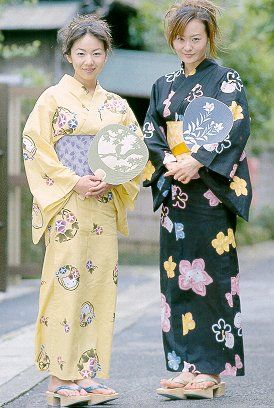
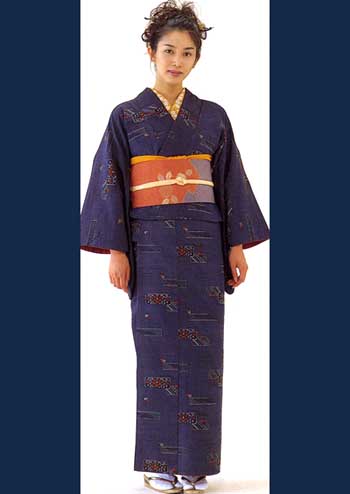
Ancient Japanese clothing was mostly unisex, with differences being in colors, length and sleeves. A Kimono tied with an Obi or a sash around the waist was the general clothing and with the advent of western clothing are now mostly worn at home or special occasions. Women's obi in ancient Japanese clothing would mostly be elaborate and decorative. Some would be as long as 4meters and tied as a flower or a butterfly. Though a Yukata means a 'bath clothing', these were often worn in the summers as morning and evening gowns. Ancient Japanese clothing consisted of mena and women wearing Haori or narrow paneled jacket for special occasions such as marriages and feasts. These are worn over a kimono and tied with strings at the breast level.

The most interesting piece of ancient Japanese clothing is the ju-ni-hitoe or the 'twelve layers' adorned by ladies at the imperial court. It is multi-layered and very heavy and worn on a daily basis for centuries! The only change would be the thickness of the fabric and the number of layers depending on the season. Princesses still wear these on weddings.

Since the Japanese people don't wear footwear inside their homes, tabi is still worn. These are split -toe socks woven out of non-stretch materials with thick soles. Clogs have been worn for centuries in ancient Japan and were known as Geta. These were made of wood with two straps and were unisexual. Zori was footwear made of softer materials like straw and fabric with a flat sole.

Ancient Japanese clothes, culture and footwear are slowly regaining their popularity with the western world. There is an honest curiosity in knowing more, wearing kimonos or using silk fabrics with beautiful floral prints from the 'land of the rising sun'.

Japanese Steet Fashion

Japanese Steet Fashion
By Jennie Gandhi

While considered by many as daring, outlandish and provocative, Japanese fashion has come a long way from being just about kimonos and school uniforms. Their eye-popping and flamboyant outfits have largely been influenced by Japan's huge underground club scene. Tokya and Osaka is where Japanese Street Fashion is at its best. By adopting a mixture of current and traditional trends along with foreign and local labels, Japanese youth have created their own unique blend of fashion.

Japanese street fashion has a variety of trends and styles. Youth were more elaborate in their dressing patterns and make-up. Bright colours, eccentric patterns, hand-made garments, heavy jewellery, mixing and matching jeans and tank tops with traditional wear like kimonos, is their way of making statements about their cultural influences and way of life. Lolita, Kogal, Cosplay, Ganguro are some of the most sought after styles that Japanese youth display on the streets.

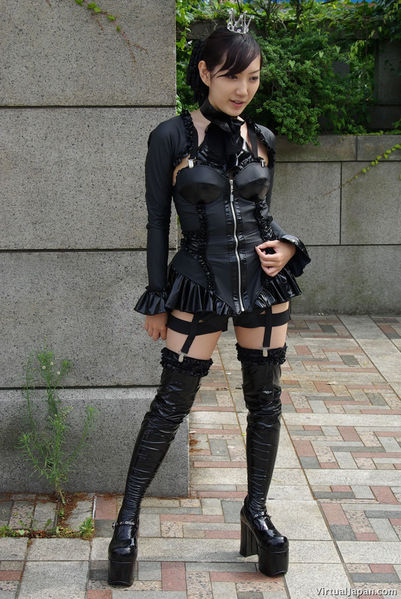
Lolita is a style with many subcultures, such as Punk Lolita, where chains, beads, lace and wristbands are popular accessories along with pink and peach colour prints. Gothic Lolita focuses on styles emerging from the Victorian age such as dark colours, black make-up, heavy brooches, and ribbons.
Harajuku Street Fashion
The Ganguro art of dressing is similar to North American youth trying to replicate tanned and blonde celebrities and models. The look consists of light or dark tanned bodies, bleached or dyed hair, summer dresses and platforms. Their exaggerated looks and outfits, is their attempt at westernizing themselves dramatically.

The Kogal style is where young Japanese women display their wealth through various tastes in music and fashion. Wealthy parents often support young girls who are into this style. They keep themselves up-to-date with Japan's ever-growing mobile technology. They adorn themselves with big boots, skirts pinned very high, dramatic make-up and the latest in American fashion brands. Many see the growth of Gothic Lolita to be a reaction to the materialism desire that emerges with the Kogal trend.

Costume Play, shortened to Cosplay is a trend where dressing of characters from manga, anime, fantasy movies and videogames is encouraged. The Lord of the Rings, Harry Potter and The Matrix series are some Hollywood films which increased the popularity of Cosplay artists. Japanese youth styled in Cosplay attires are often seen at various public gatherings such as amusement parks, nightclubs dedicated to like-minded dressers and many high profile Cosplay parties.

Latest Trends in Japanese Fashion

japanese fashion trend
By Jennie Gandhi

During the middle of the nineteenth century, the Japanese began to move away from their traditional clothing, to adopt the western style of dressing. Two centuries later this trend came to be termed as Street Fashion. Basically this term implies the customization of outfits by adopting a blend of current and traditional trends. Such clothes are usually tailored at home.

Basically, the street fashion is considered to be rather trendy amongst fashion gurus of the world. This is because it is an individualistic genre of dressing. And interestingly, across Japan, various dressing sub-cultures have mushroomed with their own unique way of dressing. Some rather simple and young, typically teenage in its way; while there are the outrageous styles that seem to emulate the punk trends of the eighties.

japanese fashionWhether tourists do shop for the street fashion clothing or not, visiting these shopping destinations are of interest. While almost every country has its own unique style of dressing, in Japan one would find a totally different street trend prevalent in various areas. There is uniqueness and innovation at almost every nook and corner, especially amongst the youngsters.

Tokyo is one of the prime fashion destinations of Japan. Her is a list of some places where one could shop for Japanese street clothing:

Harajuku: This has come to be regarded as the latest fashion center of Tokyo.

Ginza: This fashion area is dotted with a number of clothing shops as well as restaurants, for shoppers to refresh themselves when in the middle of a shopping spree.

Odaiba: This is considered as a tourist hotspot for street fashion shopping, as well as sightseeing.

Shinjuku: A fashion destination, with a brightly lit up nightlife.

Roppongi: This is an ideal shopping hotspot for English speaking tourists, with an entertaining after-shopping-hours life.

Shibuya: One can get the latest and most outrageously fashionable objects from here.

Japanese Fashion - Gothic Lolita

Gothic Lolita styleGothic Lolita or "GothLoli" is a youth fashion among Japanese teenagers and young women. It emphasizes Victorian-style girl's clothing and often aims to imitate the look of Victorian porcelain dolls. Gothloli's name and origin is a combination of lolita fashion—appearing deliberately cute to the point of looking childish—and certain styles found within gothic fashion. The style started as a youth subculture sometime around 1997/1998 and became a well-established genre available in various boutiques and some major department stores by around 2001. Some observers consider it a reaction to the "Kogal" aesthetic.

Gothic Lolita is one of the subcategories of the Lolita look. Other categories include "Classic Lolita" (more traditional, light-coloured, also more mature-looking) and "Sweet Lolita" (childish pastel-coloured clothes, lots of lace and ribbons).

Gothic Lolita was influenced and popularised by the imagery of more feminine Visual Kei (or "visual rock") bands. Visual Kei is a Japanese form of rock music defined by bands featuring performers in elaborate costumes but whose musical style varies. Mana, the crossdressing former leader and guitarist of the Visual Kei band Malice Mizer is widely credited for having helped popularise Gothic Lolita. He coined the terms "Elegant Gothic Lolita" (EGL) and "Elegant Gothic Aristocrat" (EGA) to describe the style of his own fashion label Moi-même-Moitié, which was founded in 1999 and quickly established itself as one of the most coveted brands of the Gothic Lolita scene.

The style
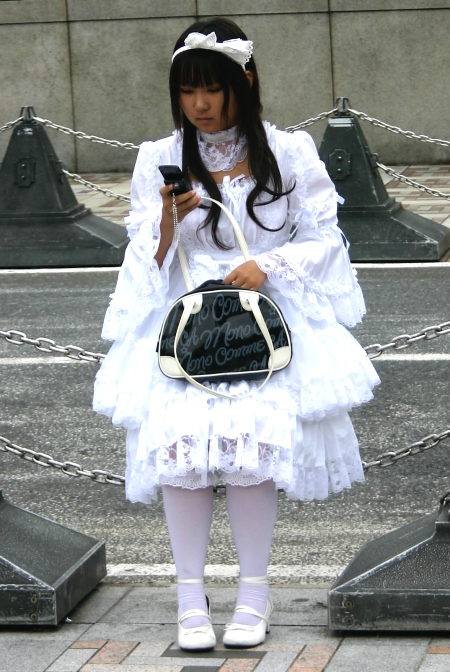
Gothic Lolita styleGothic Lolita style is usually a combination of black and white, often black with white lace and typically decorated with ribbons and lace trims. Skirts are knee length and may have a crinoline or petticoat to add volume. As in mainstream Japanese fashion, over-knee socks or stockings are extremely popular. Black fishnet stockings and white or black tights are also common. Shoes or boots with high heels - though not usually stiletto heels - such as Mary Janes, complete the look. Frilly, ruffled or lace-trimmed Victorian blouses are also popular especially with "EGL" types, who may also favour long skirts and jackets rather than the overtly "childish" designs of typical gothloli's. Apart from the occasional shortness of skirts, designs are usually modest, sometimes with long lace-capped sleeves.

Some additions may include an Alice in Wonderland-style apron, tiny top hats, parasols, lace gloves, and lace headpieces. Mostly black or white, headgear might consist of a headband with ruffles, ribbons, lace or bows. Sometimes even bonnets are worn. Hair may be curled to complete the porcelain doll look. The naturally dark Japanese hair color may be lightened to blonde or kept black. Some may choose to wear wigs as well.

Makeup is used sparingly and is seen more often with EGL styles than with other gothloli styles. Black eyeliner is typical. A pale complexion is preferred, so white foundation might be used. Red or black lipstick is seen but lighter makeup is the rule.

Gothic Lolita outfits may be accessorized with other props like conspicuous pocketbooks, hatboxes, handbags and other bags, sometimes in the shape of bats, coffins, and crucifixes. Teddy bears and other stuffed animals are also common, and some brands make special "gothic" teddy bears out of black leather or PVC. Also, many Gothic Lolita own Super Dollfies and carry them around.

See also Harajuku Girls

Japanese Fashion - Lolita Style

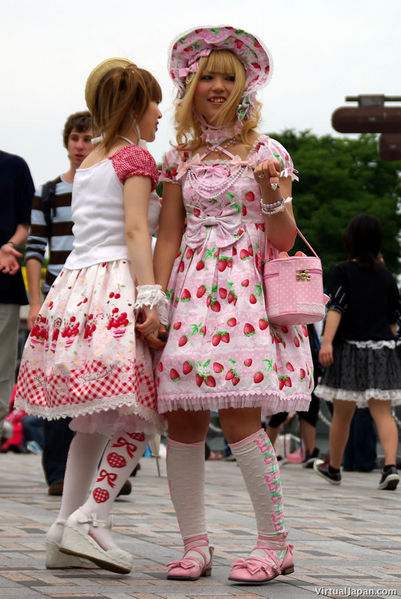
Lolita StylesLolita fashion is a style of dress orginated in Japan. Although "Lolita" is a reference to Vladimir Nabokov's famous novel, and Lolita is often worn by teens, most adherents present themselves as Victorian children or baby dolls and prefer to look "cute" rather than "sexy".

Japanese culture places a higher value upon extremely youthful appearance and behaviour than Western, and some adult women buy large amounts of products, such as Hello Kitty goods, that are typically marketed only to children in the West. Lolita fashion is perhaps a more visible extension of this phenomenon.

In general, Lolita fashion tends to imitate Victorian-style girl's clothing and often aims to imitate the look of Victorian porcelain dolls. Skirts are knee length and may have a crinoline or petticoat to add volume. As in mainstream Japanese fashion, over-knee socks or stockings are extremely popular. Black fishnet stockings and white or black tights are also common. Shoes or boots with high heels - though not usually stiletto heels - such as Mary Janes, complete the look. Frilly, ruffled or lace-trimmed Victorian blouses are also popular especially with "Gothic Lolita" types, who may also favour long skirts and jackets rather than overtly "childish" designs. Apart from the occasional shortness of skirts, designs are usually modest, sometimes with long lace-capped sleeves. Lace headdress and bracelets are usually worn.

Lolita Styles
Lolita StylesThe Lolita look can be classified into "Sweet Lolita", "Classical Lolita", "Gothic Lolita" and "Kimono Lolita".

Classic Lolita
They are more traditional, look more like the Victorian fashion, light-coloured, also more mature-looking. Traditional Maid-style clothing and Alice in Wonderland-style apron may be classfied into this genre.

Gothic Lolita
Influenced by certain elements of gothic fashion, this has probably become the most popular style within Lolita fashion and certainly the most recognized in the west. This style started as a youth subculture sometime around 1997/1998 and became a well-established genre available in various boutiques and some major department stores by around 2001. Some observers consider it a reaction to the "Kogal" aesthetic.

Gothic Lolita clothes are usually black in color, or with a dark theme. Makeup is usually dark in color, in contrast with other Lolita genre where lovely and light color makeup is preferred. Black eyeliner is typical. A pale complexion is preferred, so white foundation might be used. Red or black lipstick is usually seen.

Goken Lolita outfits may be accessorized with other props like conspicuous pocketbooks, hatboxes, handbags and other bags, sometimes in the shape of bats, coffins, and crucifixes. Teddy bears and other stuffed animals are also common, and some brands make special "goken" teddy bears out of black leather or PVC. Also, many Goken Lolita own Super Dollfies and carry them around.

Gothic Lolita was influenced and popularised by the imagery of more feminine Visual Kei (or "visual rock") bands. Visual Kei is a Japanese form of rock music defined by bands featuring performers in elaborate costumes but whose musical style varies. Mana, the crossdressing former leader and guitarist of the Visual Kei band Malice Mizer is widely credited for having helped popularise Gothic Lolita. He coined the terms "Elegant Gothic Lolita" (EGL) and "Elegant Gothic Aristocrat" (EGA) to describe the style of his own fashion label Moi-même-Moitié, which was founded in 1999 and quickly established itself as one of the most coveted brands of the Gothic Lolita scene.

Sweet Lolita
They have lots of lace and ribbons, usually light-colored (although there are black/white sweet lolita), attempting to look as cute and little-girlish as possible. End results typically exudes a doll like appearance.

Kimono Lolita
As the name suggest, they are crossover of Kimono and lace-featured skirt.

Lolita Culture
In Japan it is mass-marketed and has wide visibility particularly in the streets of Tokyo and Osaka, on television, in manga and computer games. Outside of Japan it is still a fringe fashion, although it has been spreading slowly to other regions and countries (for example, Hong Kong has a number of Lolita outlets). Lolita, along with Cosplay and other Japanese cultural phenomena, can sometimes be seen at concerts and anime conventions throughout Europe and the United States. Although being a fringe fashion, there are plenty of dedicated fans filling the gap. Lolita magazines are widely available for purchase on the internet and at Japanese bookstores, which also deal in anime and manga. Adherents outside Japan often sew their own homemade Lolita outfits, sometimes offering them for sale to make up for the difficulty of acquiring them from Japan.

Japanese Fashion - School Uniform

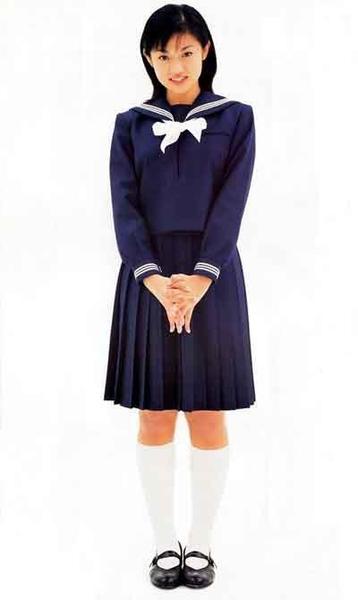
School UniformJapan introduced Western style school uniforms in the late 19th century as a part of its modernization program. Today, school uniforms are almost universal in the public and private school systems. They are also used in some women's colleges.

The Japanese junior and senior high school uniform traditionally consists of a military style uniform (gakuran) for boys and a sailor dress (sailor fuku) for girls. Many schools have moved into more western pattern parochial school uniform styles in order to make a departure from the decidedly military appearance of the traditional uniform. These uniforms consist of a white dress shirt, necktie, blazer with school crest and dress trousers (often not of the same color as the blazer) for boys and a white blouse, necktie, blazer with school crest and tartan skirt for girls. Schools usually have a summer version of the uniform.

Japanese High School Girls
The school uniform is an established part of Japanese life and has become a recognized fashion style in its own right. Many teenage girls wear their uniforms even on weekends and non-school days, making alterations such as wearing skirts mini length and adding "accessories" such as Burberry scarves (always worn with the label showing) and loose socks.

School UniformSchool uniforms & popular culture
Stylized school uniforms are prominent for instance in the Japanese comic Sailor Moon, or in Cardcaptor Sakura, as well as Ling Xiaoyu and Miharu Hirano's school uniforms in the Tekken games. Asuka Kazama's school uniform is a different style than Xiaoyu and Miharu's school uniforms, however (examples of this uniform include Lori's (Shiori) school uniform seen in an episode of Zatch Bell!).

School uniforms have also become something of a fetish item, with used school uniforms being offered for sale.

Loose socks
Loose socks are a type of sock that is popular among young Japanese girls.

They are nearly always white and are very long, in some cases up to almost 2 meters. They are usually worn below the knee, and are held up with a special adhesive called "socks glue" or "sock touch". They are similar in appearance to leg warmers.

Some high school girls like wearing loose socks together with their school uniforms. Certain schools don't allow students to wear loose socks at school, so it is quite common to see girls changing socks in cafes, on trains, or on the street.

Mystifying And Powerful World of Japanese Fashion

harajuku lolita

harajuku lolita
Many would say that fashion is an expression of the culture and soul, hence every nation has a unique reflection of its own history as well as traditions in one way or another.
Japanese fashion is no exception to this sentiment. This article will go into a few details of how it has changed throughout the years while always remaining intact in its traditions.

The Past and the Present

One of the most traditional and common Japanese fashion outfits is the Kimono; it is still worn today in more modern designs, it was also embraced by the Western nations because of its sensuality as well as elegance.

Throughout the years Japanese fashion saw very few changes but throughout the years the Kimono was a dominant part of the classic collection and consistently a part of their lives in one form or another. Another kind of Kimono is the Furisode which is worn by young women in their twenties; in Japan the age to legally drink and smoke is twenty and in order to celebrate the parent frequently offer their daughters a Furisode.

Then the Houmongi takes the stage. This is another kind of Kimono that is worn by married women and similar to the Furisode the parents will give their daughter one when she is married.

The formal Kimono is known as Tomesode and is typically worn by married women to social functions such as marriages. Additional variations include the Mofuku which is the funeral Kimono for Japanese fashion and the Uchikake is the wedding Kimono.

Last but certainly not least the Obi is the oldest form of the Japanese fashion as they are no longer in production today and rarely will you find someone wearing this type even in Japan.

Modern Japanese fashion generally has several categories in addition to some that are not related to clothes. The Japanese fashion known as the Kogal is translated in Japan to people who enjoy displaying their higher income by wearing expensive jewelry or clothes.

The Gangoro Japanese fashion is designed for those people who began changing their hair color and then you have the Lolita as the Gothic Lolita Japanese fashion, which is being represented by the innocent and sweet dressed (Lolita) all the way to the other extreme type referred to as punk fashion, which is known as Gothic Lolitas.

The Eternal Fashion

The world of classic fashion is eternal throughout the world and Japanese fashion has their Kimonos to prove it. The use of colors also plays a large part in the world of Japanese fashion as well as their culture as it is directly correlated to the event. Fashion not only reflects and defines an era and a place in time but also the character and personality of the person who is wearing it.

By Korbin Newlyn

Japanese Fashion - Kogals

KogalsKogals (kogyaru in engrish, lit. "small/child girl" from KoGirl) are a subculture of girls and young women in urban Japan, one of several types of so-called gals. They are characterized by conspicuously displaying their disposable incomes through unique tastes in fashion, music, and social activity. In general, the kogal "look" roughly approximates a sun-tanned California Valley girl, and indeed, the similarities between the two extend to the linguistic, for both subcultures have derived entire sets of slang terms ("ko-gyaru-go").

Kogals are known for wearing platform boots, a miniskirt, copious amounts of makeup, hair coloring (usually blond), artificial suntans, and designer accessories. If in school uniform, the look typically includes skirts pinned very high and loose socks (large baggy socks that go up to the knee). Kogals' busy social lives and desire for new material goods leads them to be among the first consumers of Japanese cell phone technology, and their taste in clothes tends toward names such as Burberry scarves and Louis Vuitton handbags.

Kogals spend much of their free time (and their fathers' income) shopping, and their culture centers around the Shibuya district of Tokyo, in particular the 109 building, although any major Japanese city is sure to have at least a small population. During the summer, kogals may sometimes be seen at the beach. They are generally not seen in high-end department stores.

Critics of the Kogal subculture decry its materialism as reflecting a larger psychological or spiritual emptiness in modern Japanese life. Some kogals support their lifestyle with allowances from wealthy parents, living a "freeter" or "parasite single" existence that grates against traditional principles of duty and industry. A small minority appear in pornography to finance their habits. More may engage in the practice of "compensated dating", or enjo kosai, which may at times border on quasi-legal prostitution.

The kogal phenomenon emerged in the mid-1990s and its effects can still be seen today in its numerous off-shoots of sub-categories, although conservative tastes in dress and hair color seem to be on the upswing. Interestingly enough, the Gothic Lolita aesthetic has been described as a reaction to the kogal look.

Japanese Fashion - Ganguro

ganguro japanese fashionGanguro, literally "black face", is a among Japanese girls which peaked in popularity from the late 1990s to the early 2000s, an outgrowth of chapatsu hair dyeing.


In an interview with Tony Barrell, Creator of FRUiTS magazine, Shoichi Aoki, stated: "Ganguro was a phenomenon that was specific to Shibuya, about 1km away from Harajuku - which we have been talking about - and they were totally different so FRUiTS as a rule didn't really take them up. Only a few times we've covered ganguro in our magazine. Where they came from is actually a mystery, no one really knows but there is some speculation that they were girls who were infatuated or fascinated with Janet Jackson or black American musicians or perhaps Naomi Campbell, the super model, but it's still a mystery what their origins were."


There is often much debating about this in the . Many claim the name itself, "Black face" support this. This also goes against Ganguro itself, because many people are seeing it as racist and comparing it to the "Black Face" of early 1900's culture in america.


The basic look consists of bleached hair, a deep tan, both black and white eyeliners, false eyelashes, platform shoes (usually sandals or boots), and brightly colored outfits. Also typical of the "Ganguro Gal" look are cell phones covered with purikura stickers, tie-dyed sarongs, mini-skirts, hibiscus flower hairpins, and lots of bracelets, rings and necklaces.


Extreme trend followers further bleach their hair up to a platinum blond shade, get even deeper tans, wear white lipstick, multicolored pastel eyeshadows and tiny metallic or glittery adhesives around the bottom rim of the eye sockets. Popular Ganguro magazines include: Egg, Popteen, and Ego System.


The Shibuya and Ikebukuro districts of Tokyo are the center of .


Technorati : , ,

Del.icio.us : , ,

Zooomr : , ,

Flickr : , ,

fashion trend temporary japan

KimonoThe kimono is the traditional Japanese form of dress, and was worn until the Meiji period (1868-1912) during which time a western dress style was adopted. Kimonos are still worn on special occasions such as "coming of age" day in January.

Contemporary Japanese fashion is highly eclectic. It ranges from the ultra-conservative suits and ties worm by businessmen (so-called "salarymen") and uniforms of "office ladies" (female business personnel) and school students through to various outrageous and extravagant street fashion styles. Many Japanese ladies are very brand conscious, favoring clothing and accessories from well-known and expensive design houses.

Fashion Trends in Contemporary Japan
Ganguro
Ganguro (literally "black face"), is a fashion trend among Japanese girls which peaked in popularity from the late 1990s to the early 2000s, an outgrowth of chapatsu hair dyeing.

The basic look consists of bleached hair, a deep tan, both black and white eyeliners, false eyelashes, platform shoes (usually sandals or boots), and brightly colored outfits. Also typical of the "Ganguro Gal" look are cell phones covered with purikura stickers, tie-dyed sarongs, mini-skirts, hibiscus flower hairpins, and lots of bracelets, rings and necklaces.

See Ganguro

Lolita Fashion
Lolita fashion tends to imitate Victorian-style girl's clothing and often aims to imitate the look of Victorian porcelain dolls. Skirts are knee length and may have a crinoline or petticoat to add volume. As in mainstream Japanese fashion, over-knee socks or stockings are extremely popular. Black fishnet stockings and white or black tights are also common. Shoes or boots with high heels - though not usually stiletto heels - such as Mary Janes, complete the look. Frilly, ruffled or lace-trimmed Victorian blouses are also popular especially with "Gothic Lolita" types, who may also favour long skirts and jackets rather than overtly "childish" designs. Apart from the occasional shortness of skirts, designs are usually modest, sometimes with long lace-capped sleeves. Lace headdress and bracelets are usually worn.

See Lolita Style

Gothic Lolita
Gothic Lolita or "GothLoli" (gosurori; sometimes alternatively "Loli-Goth") is a youth fashion among Japanese teenagers and young women. It emphasizes Victorian-style girl's clothing and often aims to imitate the look of Victorian porcelain dolls.

Gothloli's name and origin is a combination of lolita fashion—appearing deliberately cute to the point of looking childish—and certain styles found within gothic fashion. The style started as a youth subculture sometime around 1997/1998 and became a well-established genre available in various boutiques and some major department stores by around 2001. Some observers consider it a reaction to the "Kogal" aesthetic.

See Gothic Lolita

Kogal
Kogals (kogyaru in English, lit. "small/child girl" from KoGirl) are a subculture of girls and young women in urban Japan, one of several types of so-called gals. They are characterized by conspicuously displaying their disposable incomes through unique tastes in fashion, music, and social activity. In general, the kogal "look" roughly approximates a sun-tanned California Valley girl.

Kogals are known for wearing platform boots, a miniskirt, copious amounts of makeup, hair coloring (usually blond), artificial suntans, and designer accessories. If in school uniform, the look typically includes skirts pinned very high and loose socks (large baggy socks that go up to the knee).

See Kogal

Fruits Shoichi Aoki. A collection of Tokyo street fashion portraits from Japan's premier street fanzine of the same name. 'Fruits' was established in 1994, by photographer Shoichi Aoki, initially as a project to document the growing explosion in street fashion within the suburbs of Tokyo. Over the last five years, the magazine has grown to cult status and is now avidly followed by thousands of Japanese teenagers who also use the magazine as an opportunity to check out the latest styles and trends.
Fresh Fruits Shoichi Aoki. A new collection of Tokyo teenage street fashion portraits. The average age of kids featured is between 12 and 18 years old. Most of the clothes that they wear are a combination of high fashion – Vivienne Westwood is a keen favourite – and homemade ensembles which when combined together create a novel if not hysterical combination. This latest edition follows the original by including translations of the various Japanese captions that were originally attached to the photographs that list the name, age and clothing of each person photographed.


School Uniform

Perhaps reflecting the highly conformative nature of Japan, school uniforms are worn in almost every public and private elementary, junior high, and high school, and even in some women's colleges. Junior and senior high school uniform traditionally consists of a military style uniform (gakuran) for boys and a sailor dress (sailor fuku) for girls. The Japanese pronounce this as sera fuku.

Many schools have moved into more western pattern parochial school uniform styles in order to make a departure from the decidedly military appearance of the traditional uniform. These uniforms consist of a white dress shirt, necktie, blazer with school crest and dress trousers (often not of the same color as the blazer) for boys and a white blouse, necktie, blazer with school crest and tartan skirt for girls.

Somewhat surprisingly, school uniform is considered a popular style of fashion, with many teenagers wearing uniform even at weekends and school holidays. Some even continue to wear their school uniform long after graduation.

explore personal ekspresion through creative fashion

japanese fashion
People experience culture shock when they visit other countries for the first time. I should know — I’m experiencing it right now.

I arrived in the United States from Japan at the beginning of June. This is my first time in the United States and therefore everything catches my eyes as new and surprising. I was shocked when I saw the huge frozen foods aisle at a Wal-Mart and puzzled by all the soda fountains in convenience stores. I’m enjoying it all with excitement and a little nervousness, of course.

The biggest surprise I’ve had so far though is how many students at the University of Nevada, Reno wear T-shirts with school logos on them. It strikes me as odd because I have never seen college students in Japan wear school T-shirts as daily apparel.

While many people may shrug this off at first, I have come to find this is a big cultural difference between America and Japan.

American fashion is more simple and perhaps more comfort-oriented when compared to Japanese fashion. For the most part, Americans put on jeans or sweatpants and T-shirts, whereas Japanese people are more attentive to their fashion. While Americans are not necessarily less fashionable, Japanese fashion is generally more innovative on a consistent daily basis. To put it another way, we wouldn’t just put on sweatpants if we’re late for class. We just were not raised to do that.

The point of Japanese fashion is to harmonize the total style. It means you have to think about the color and the shape of the clothes when you coordinate them. If you want to go even further, you need to care about your footwear, bags and hairstyles to create your own style. Japanese fashion is full of variety and creativity.

I believe these differences in fashion are a direct correlation between our two country’s differing senses of the individual. Generally speaking, the United States is an individual-oriented society, while Japan is a group-oriented society. Japanese people try to act in cohesive units and strive to express the same opinion as others. It is important for us to harmonize with others.

Therefore, Japanese students have difficulties studying with American students in the same class environment at first. It is difficult for us to speak our own minds and opinions in front of many students because we were not taught to do so when we were growing up.

In regards to fashion, we rarely show patriotism or affiliation with a school like Americans do. We have an inherent pride in our country and institutions we are a part of, and we do not feel the need to express it visibly on our T-shirts. Therefore, it is surprising to us that Americans put their right hands on their chests when they sing the national anthem, wear school or American pride T-shirts.

Instead, we distinguish ourselves from others through our fashion. Take Harajuku in Tokyo, for example, which is one of the most famous fashion capitals in the world. Various kinds of shops gather there, from secondhand clothes stores to famous brand shops, to create a melting pot of extreme fashion statements to stand out among the small and crowded place. You would be utterly surprised by the range of fashion there because it is very unique and quite different from anywhere else in the world.

Perhaps Japanese people are poor at expressing themselves through words, but we make up for it through our fashion.

Photobucket

Japanese Fashion Style

In previous generations, when people thought about Japanese Fashion, they would immediately think about a kimono. A traditional Japanese dress, the kimono is still worn commonly in Japanese homes. In some cases, you will be able to spot kimonos on the streets of major Japanese cities. Although the kimono has played a historical role in Japanese fashion, its popularity here is rather recent. A comfortable thing to wear around the home, a kimono is also a great statement about how cultured you are.


When people discuss Japanese Fashion, they are usually talking about what is known as Japanese street fashion. It is impossible to pinpoint one particular look in Japanese street fashion, but all of the different japanese fashion styles are greatly influenced by Western fashion. However, the great thing about Japanese Fashion is that it adds a unique cultural twist that seem to make these traditional Western clothing a thousand times cooler.


To examine why japanese fashion is so popular and innovative, you have to understand the attitudes that Japanese people have towards clothing. Street fashion is so endearing because it allows the person wearing its clothes to personally customize their outfit. Mixing different styles and traditional styles is a big part of Japanese Fashion and you can see it in these different japanese fashion styles.


One of the most popular Japanese Fashion styles is known as the Lolita look that is inspired by Victorian children's clothing and sophisticated costumes. An edgy style that incorporates elements of punk fashion and goth fashion, one of the most enduring images of the Lolita look are French maid outfits. When people think about Japan they immediately think about how technologically advanced the country is and its influence on Japanese pop culture. Videogames, anime and manga comic books are cultural staples and this has bled into the popular japanese fashion known as cosplay, which involves dressing in a similar way as one of your favorite cultural characters.


While Japanese Fashion is often associated with cuteness, there are many styles in japanese fashion that can only be described as being quintessial cool. The kogul style of fashion combines sophisticated clothing and the latest fashions to express that you are aware of the latest cultural trends. A more dressier Japanese fashion style is known as Ganguro, which involved bleached hair, platform shoes, and brightly colored clothes. This flashy style of dressing is becoming more and more popular throughout the world. One of the most endearing Japanese Fashion styles is known as bōsōzoku, which involved wearing military styled overcoats and baggy matching pants. This style is very similar to the greaser style of 1950s fashion.